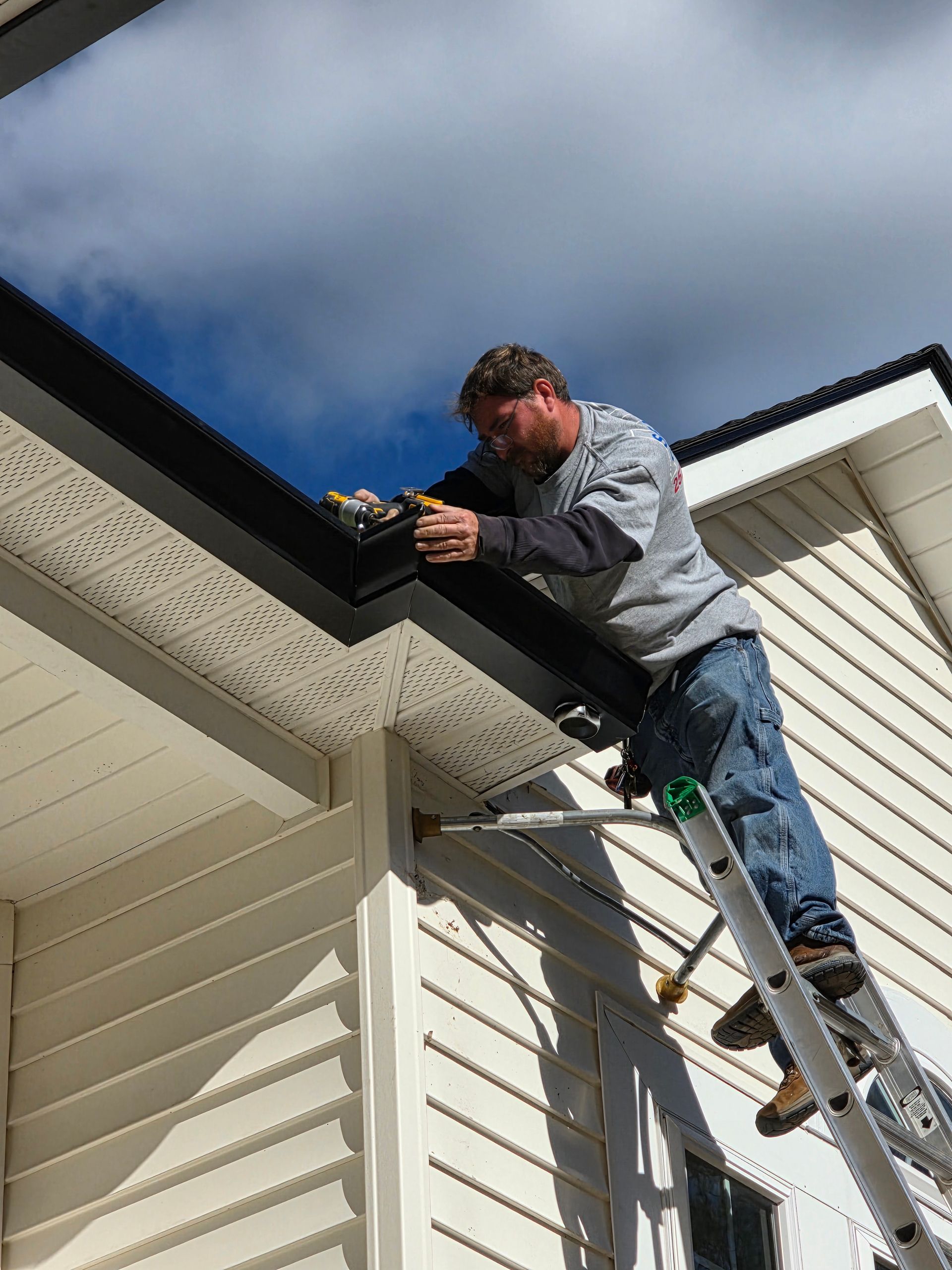
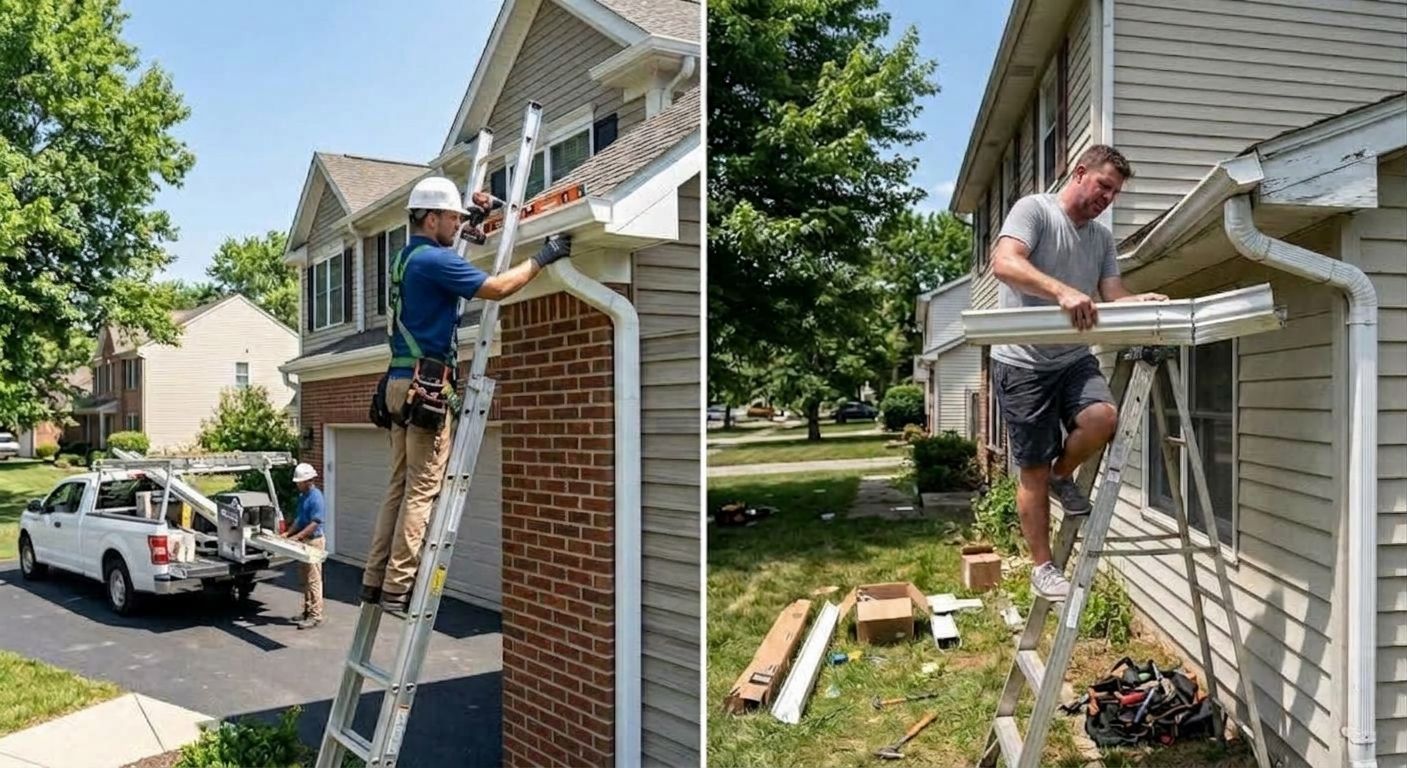
Preparing Your Gutters for Hurricane Season in NC
how to inspect, clean, and protect your drainage system before storms hit

Hurricane season in North Carolina runs from June through November, bringing strong winds, torrential rains, and potential flooding to much of the state. For homeowners in Eastern North Carolina, including areas like Pollocksville, hurricane preparedness is a seasonal priority—and your gutters play a much bigger role than you might think.
A properly functioning gutter system is essential during hurricane season. It redirects water away from your roof and foundation, helping to prevent erosion, leaks, and costly structural damage. If your gutters are clogged, damaged, or improperly installed, your home is more vulnerable when severe weather strikes.
This guide explains how to prepare your gutters for hurricane season and why proactive maintenance could save you from major storm-related repairs.
Why Gutters Matter During Hurricanes
During a hurricane or tropical storm, your roof can collect thousands of gallons of water in a matter of hours. Your gutter system is designed to manage that runoff, moving water through downspouts and away from your foundation.
When gutters are not properly maintained or sized for storm-level rainfall, they can:
- Overflow and spill water down siding and entryways
- Pull away from the roof under pressure or due to debris weight
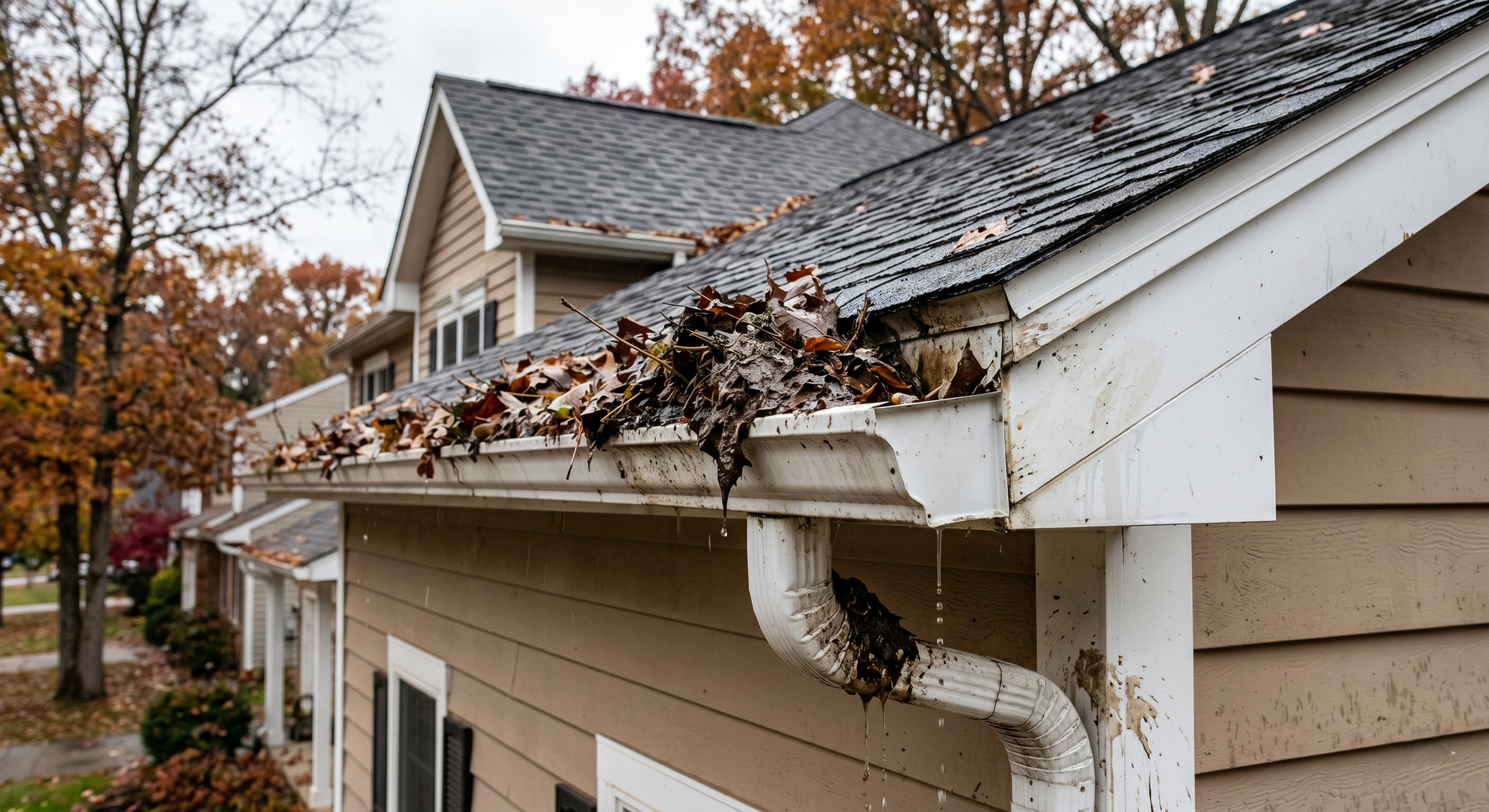
- Become clogged with leaves, preventing drainage
- Contribute to basement flooding or crawl space moisture
- Cause erosion around your home's foundation
In Eastern NC, where hurricanes are a real annual threat, well-maintained gutters are your first defense against water damage.
Step-by-Step Gutter Preparation Before Hurricane Season
Proper gutter preparation starts before hurricane season begins. Here's a checklist to follow each spring or early summer to ensure your system is storm-ready.
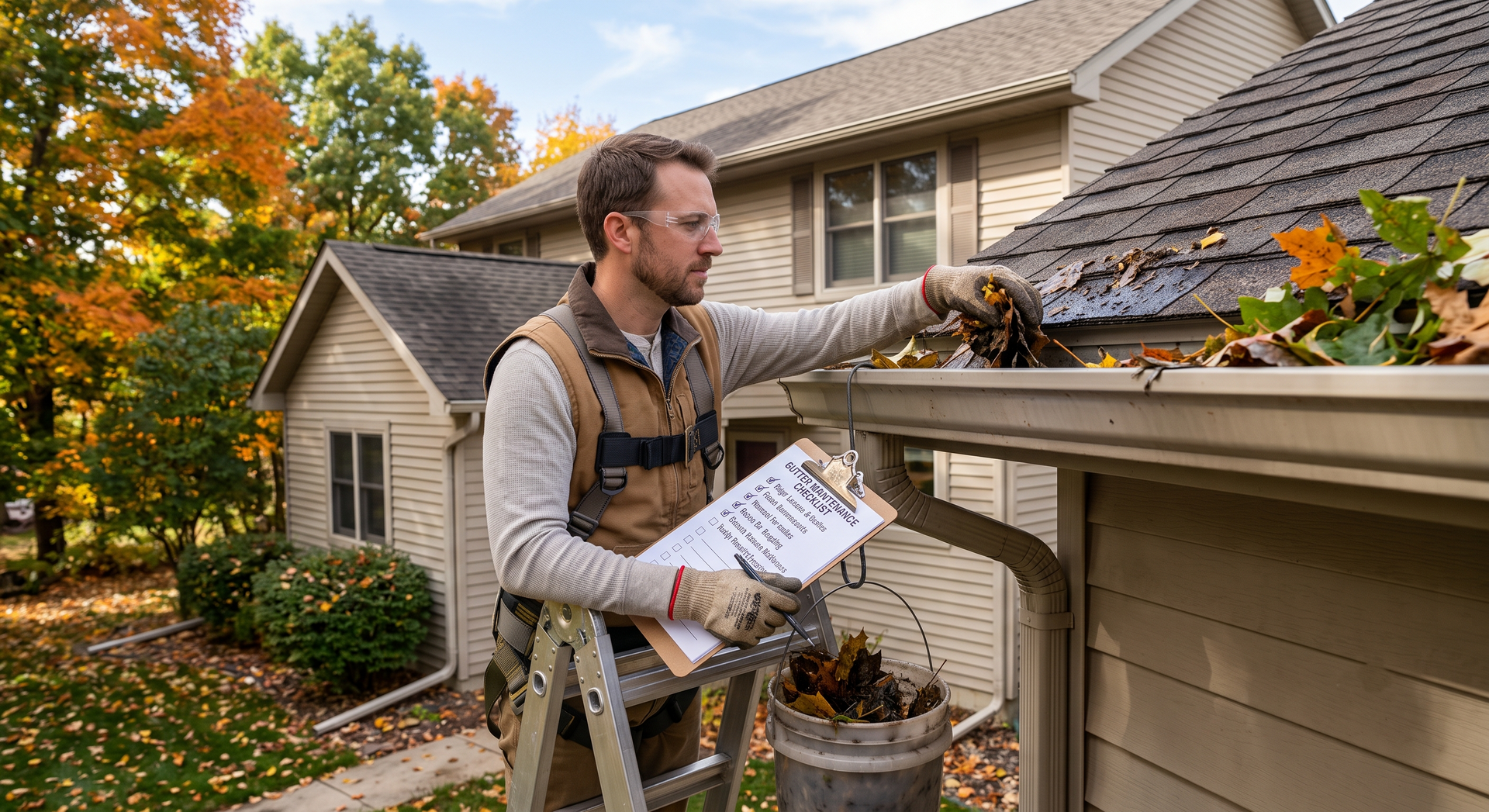
1. Clean Out Gutters and Downspouts
Remove all leaves, twigs, and debris from your gutters and downspouts. Clogs can prevent proper drainage during heavy rainfall and increase the chance of overflow.
Use a garden hose to flush out downspouts and ensure water is flowing freely away from the home. If water backs up, there may be a clog that needs to be professionally cleared.
2. Inspect for Damage or Weak Points
Check for sagging sections, separated joints, rust spots, and loose brackets. Look at the seams and corners, where leaks are most common. During a storm, weak spots can tear away from the home or allow water to leak into roof decking.
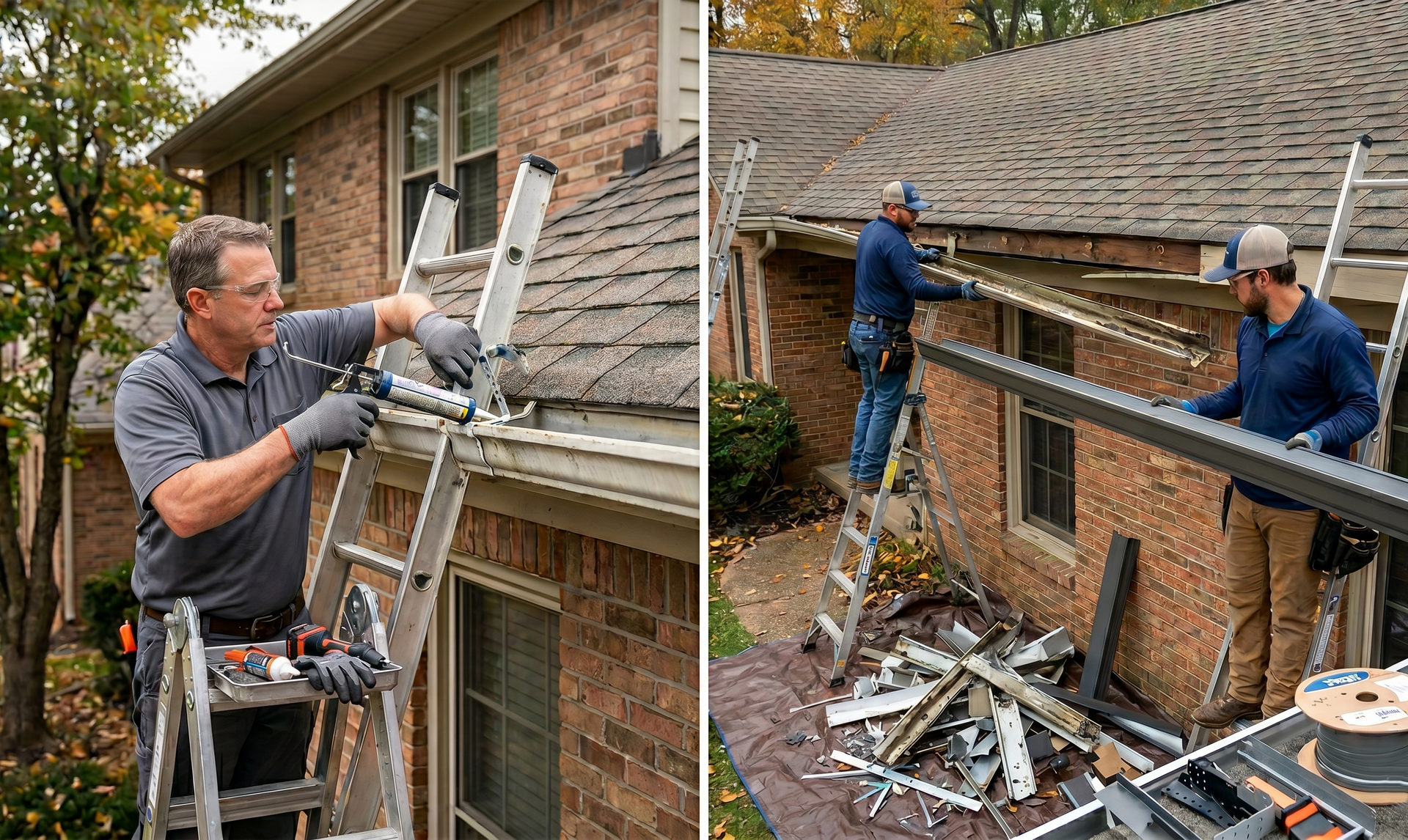
Have damaged sections repaired or replaced before hurricane season begins.
3. Check Downspout Extensions or Underground Drains
Ensure that all downspouts are directing water at least four to six feet away from the foundation. If you have underground drainage, inspect the inlets for blockages. Proper redirection prevents pooling near your home’s base.
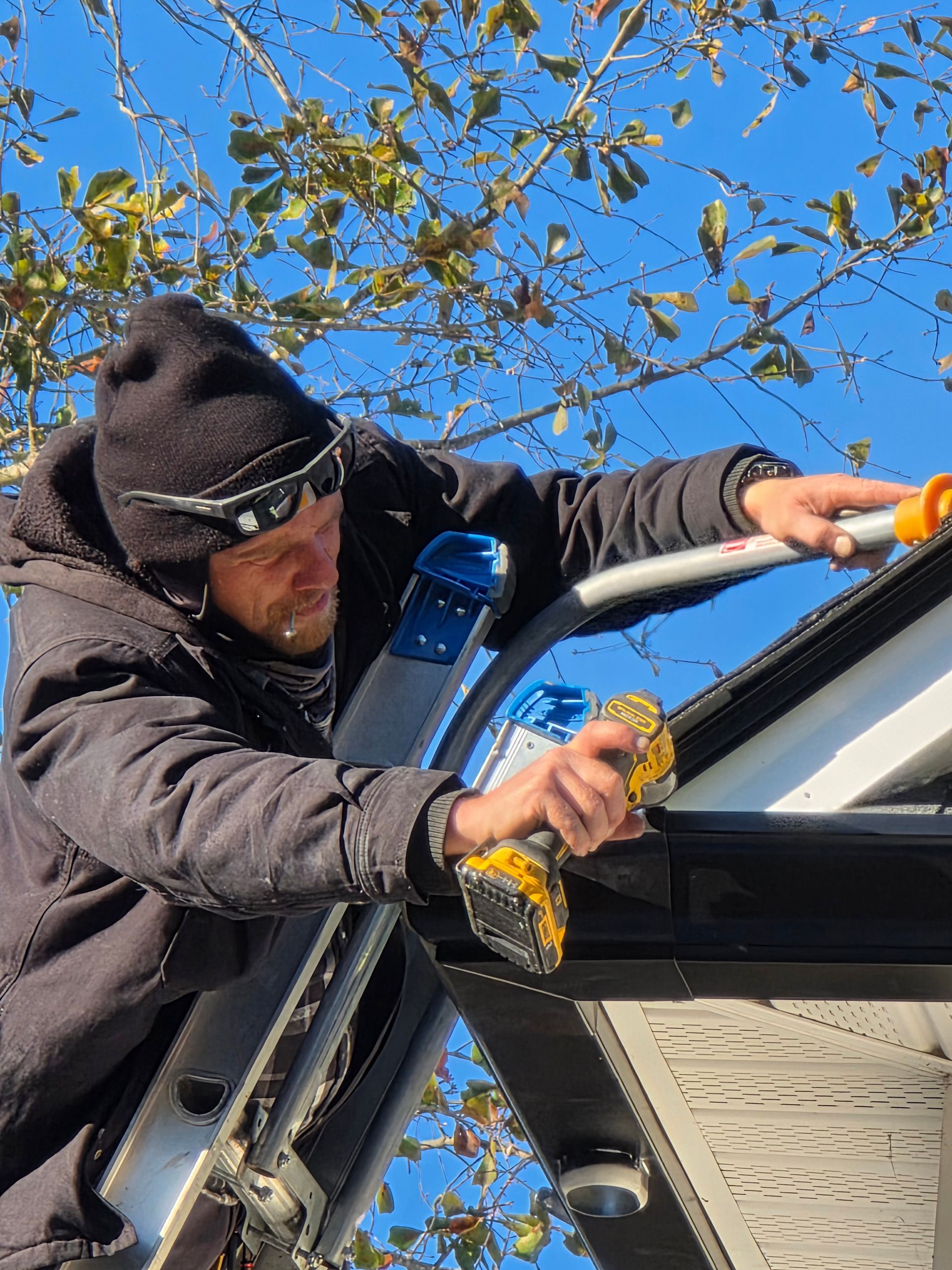
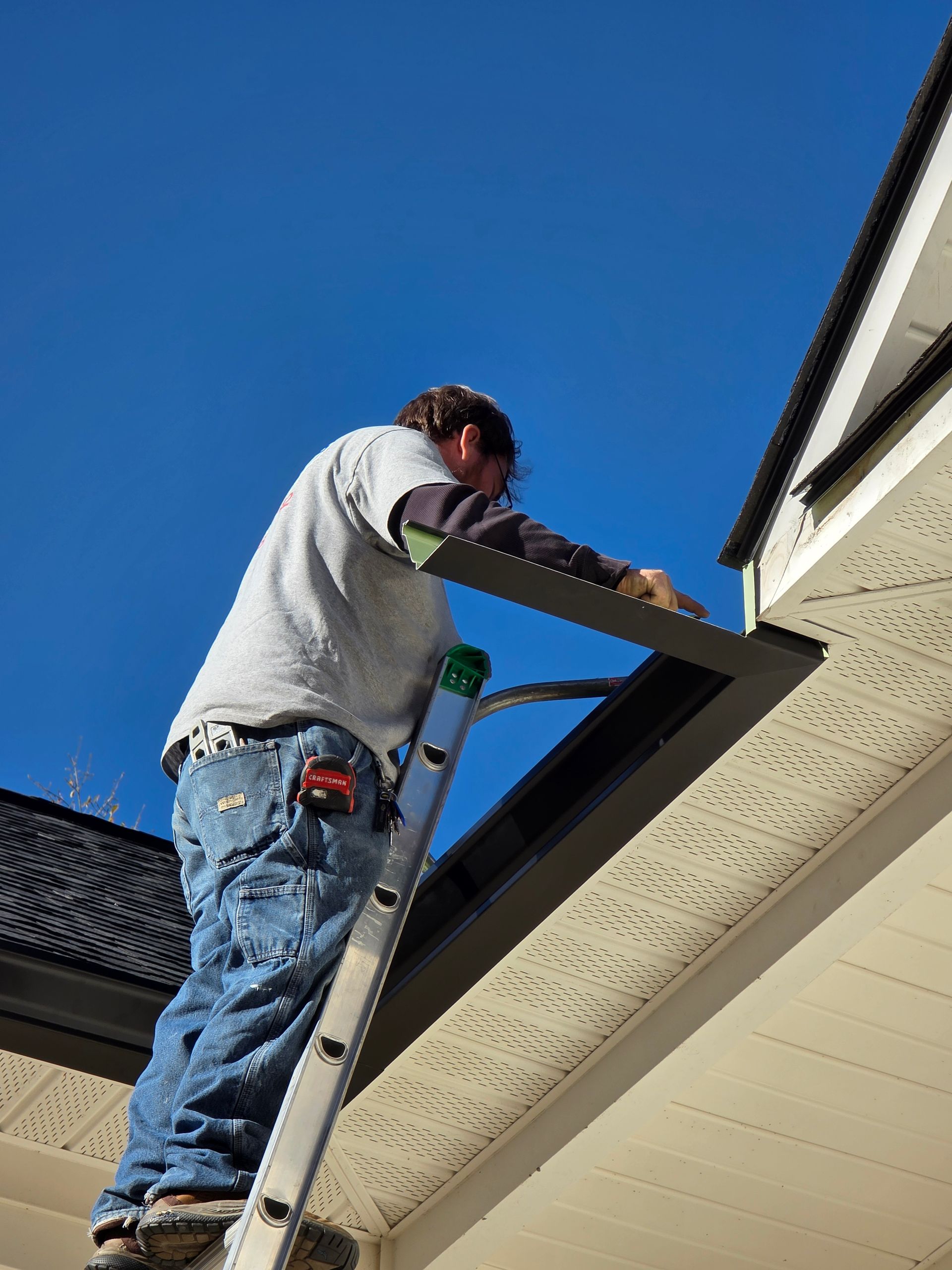
4. Secure All Gutter Fasteners and Hangers
Loose gutters can become dangerous during high winds. Confirm that all fasteners and hangers are tightly secured to your fascia boards, and reinforce any areas that seem unstable.
Professional installers may recommend additional brackets for added support in hurricane-prone regions.
5. Trim Overhanging Tree Branches
Branches that extend over your roof can snap during high winds and cause gutter damage or roof punctures. Trimming these branches also helps reduce the amount of debris that collects in your gutters during storms.
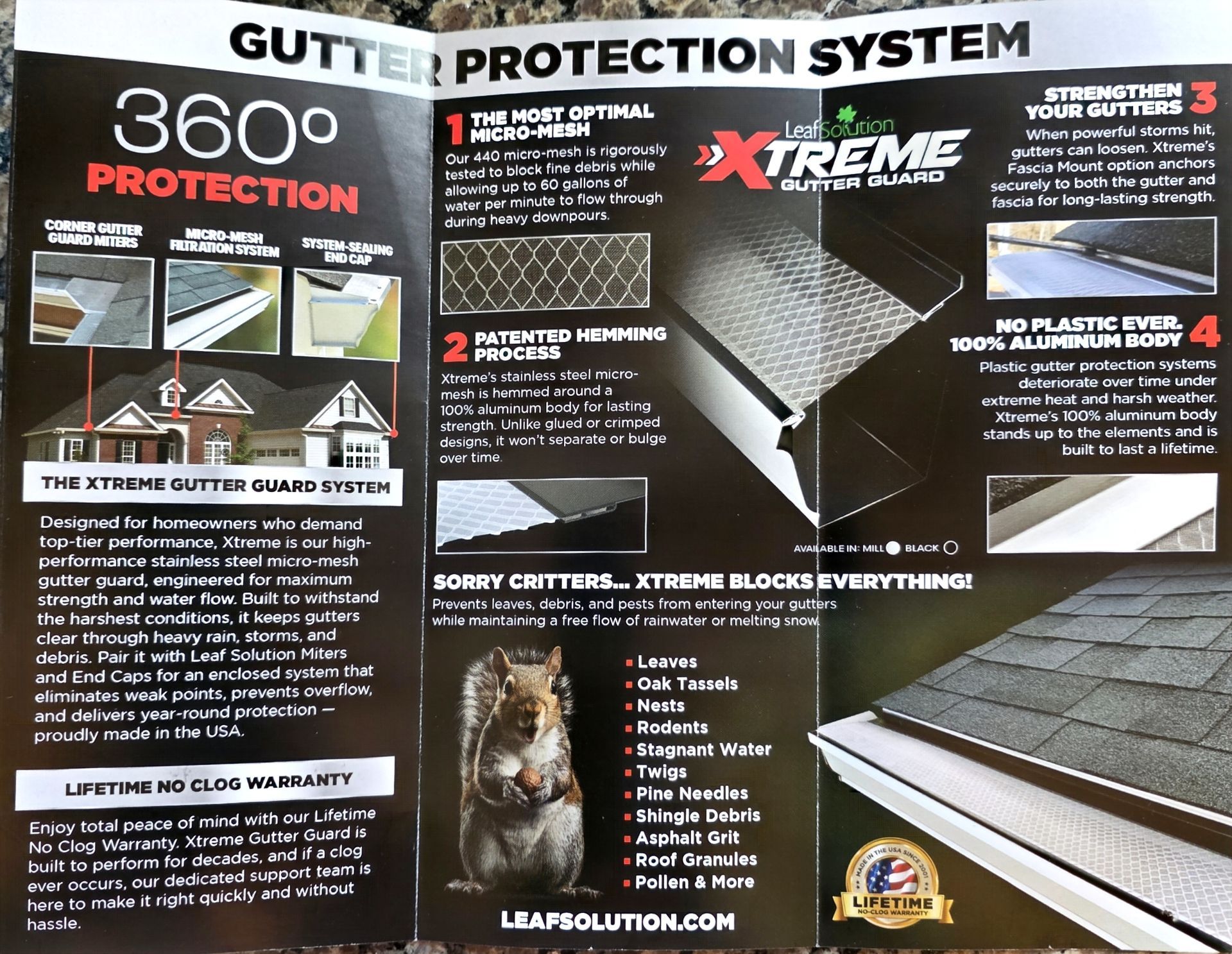
6. Consider Installing Gutter Covers
Gutter covers or guards help prevent rapid clogging from leaves, pine needles, and shingle debris during a storm. While they won’t eliminate all maintenance, they significantly reduce the chance of a blockage during critical times.
7. Schedule a Professional Inspection
If you’re unsure about your system’s condition, it’s wise to schedule a professional gutter inspection. Trained technicians can assess your home’s readiness for the season and make any necessary repairs or upgrades.
Special Considerations for Coastal Homes
Coastal North Carolina homes face unique challenges during hurricanes:
- Salt air corrosion
- Frequent exposure to wind-driven rain
- Higher probability of flooding and storm surge
- Steeper rooflines or elevated structures
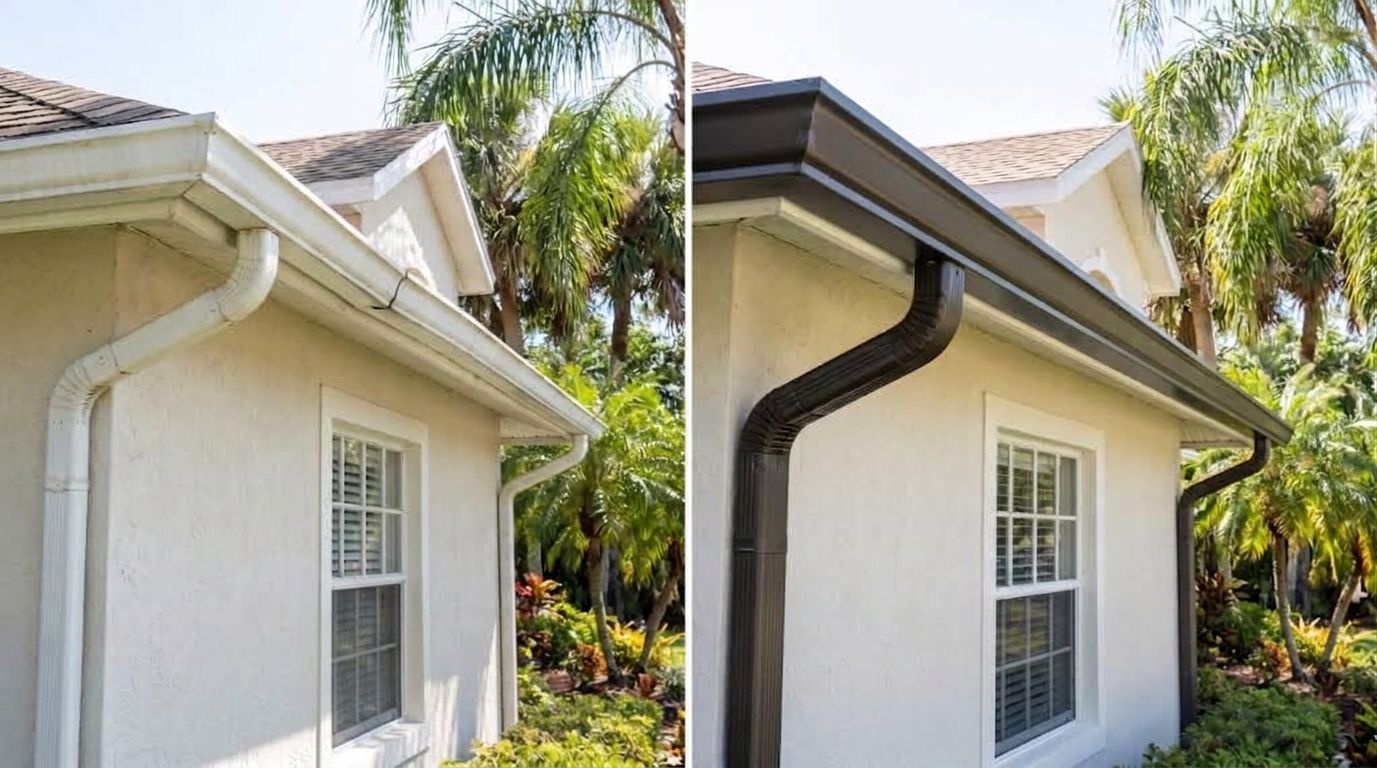
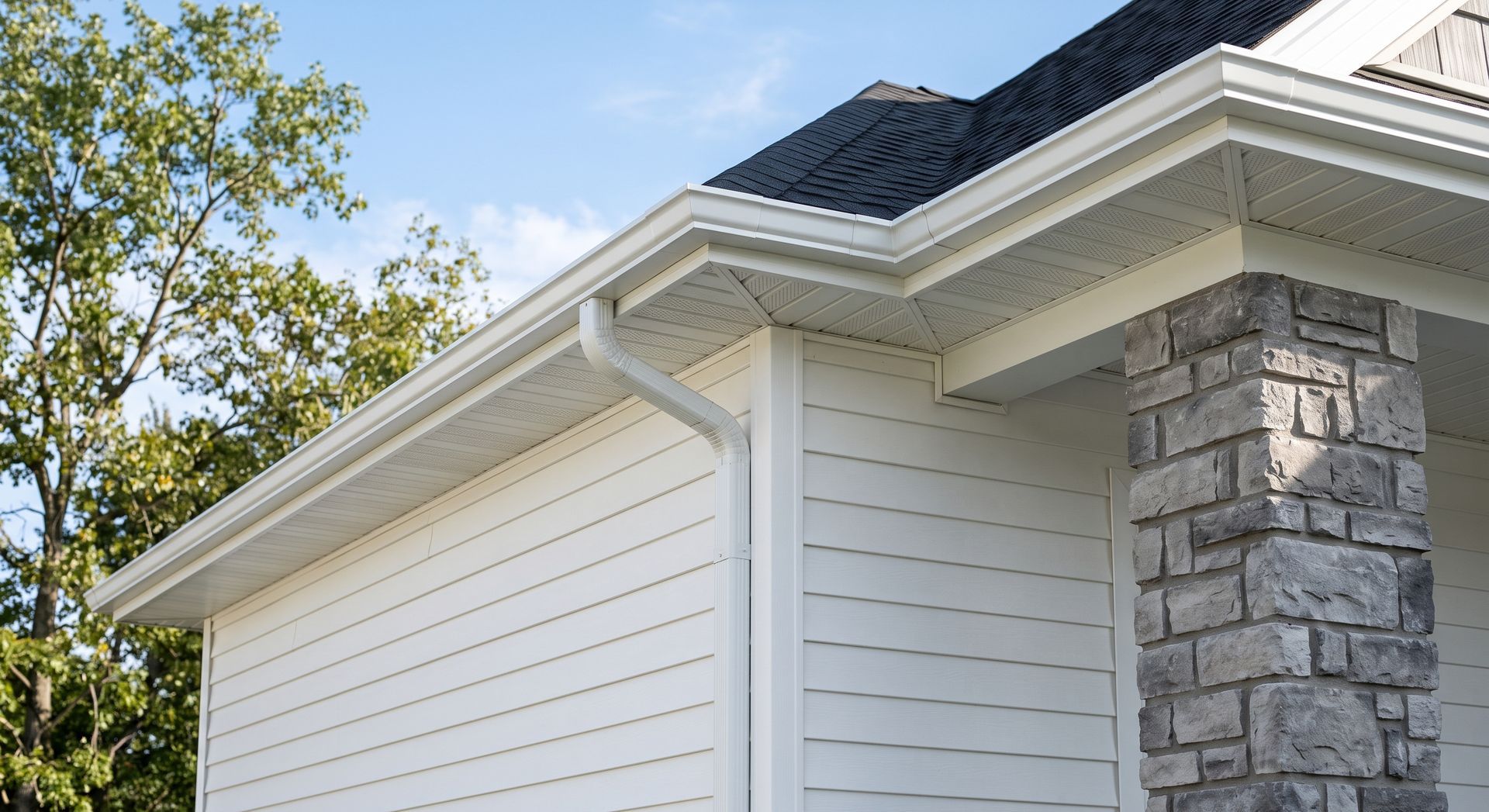
In these conditions, seamless aluminum or copper gutters with hidden hangers are often the best choice. Seamless systems offer fewer weak points, reducing the chance of separation or leaks during strong winds.
Downspout capacity also matters. In hurricane conditions, larger downspouts or multiple drainage points can improve your system’s ability to move water quickly.
Warning Signs Your Gutters Aren’t Ready
Before a storm hits, look for these signs that your gutters may not perform under pressure:
- Water stains on fascia boards or siding
- Gutters pulling away from the roofline
- Cracked or disconnected downspouts
- Slow-draining or overflowing gutters during regular rain
- Visible rust or corrosion, especially in seams
- Pools of water near your foundation after a storm
Addressing these issues early can help you avoid emergency repairs during the height of the season.
Additional Storm-Prep Tips for Drainage Systems
Gutters are part of a larger drainage system. To fully prepare your property for hurricane season:
- Ensure yard grading slopes away from your home
- Clean and inspect all French drains or underground piping
- Keep storm drains near your property clear of debris
- Check sump pump systems if you have a basement or crawl space
These additional steps help prevent water from accumulating around your home and reduce the chance of interior flooding.
Frequently Asked Questions
Do seamless gutters hold up better during storms?
Yes. Seamless gutters have fewer joints and are less likely to leak or separate during high winds and heavy rain.
Should I replace old gutters before hurricane season?
If your gutters are leaking, sagging, or pulling away from the house, replacement is recommended before storms begin.
Are gutter guards useful during hurricanes?
Yes. Gutter guards help prevent storm debris from clogging your system and allow water to continue flowing during heavy downpours.
How can I tell if my downspouts are working properly?
During a rainstorm, observe the downspouts to make sure water is flowing quickly and being directed well away from your foundation.
Can clogged gutters cause roof leaks?
Absolutely. When water backs up due to clogged gutters, it can seep under shingles and lead to leaks, rot, and interior water damage.
Protect Your Home Before the Next Storm
The time to prepare your gutters for hurricane season is before the first storm warning. With proper maintenance, you can prevent costly damage and ensure your home remains protected even during the harshest weather.
HD Seamless Gutter Inc offers full-service gutter inspections, cleaning, repairs, and installations for homeowners across Pollocksville and Eastern North Carolina. We understand the demands of coastal living and build systems that perform when it matters most.
Schedule your pre-season inspection today and gain peace of mind before the next storm arrives.
Phone:
(252) 617-9542
Website: https://www.hdseamlessguttersinc.com
Recent Posts